Best clean and non-toxic sunscreens (for babies, kids & adults)

Affiliate Disclosure: This post may contain affiliate links. If you make a purchase through these links, we may earn a small commission at no extra cost to you. We only recommend products we genuinely believe in. Learn more
Medical Disclaimer: This content is for informational purposes only and is not medical advice. Please consult a healthcare professional before making health-related decisions. Full disclaimer
In This Article
- Why should I use safe and non-toxic sunscreen?
- Mineral vs. chemical-based sunscreens
- The best safe & non-toxic sunscreen options for babies, kids, and adults
- Best non-toxic sunscreen for babies & kids
- Best non-toxic sunscreen for adults
- Top clean tinted sunscreens
- Honorable mention: Make your own!
- Why you should never use spray sunscreen
- A note on sunscreen and vitamin D
- FAQ
When the sun comes out and we start spending more time outside, I want to reach for a clean sunscreen I actually feel safe putting on my kids and on sensitive skin. But sorting through long ingredient lists of words you can't pronounce? Overwhelming. This guide cuts through all of it so you can shop with confidence — for yourself, your kids, and the planet.
Before we get into all the details, here's our top non-toxic sunscreen picks at a glance:
Why should I use safe and non-toxic sunscreen?
Many people don't realize that the ingredients in standard sunscreens can be hazardous — in some cases, more harmful than the occasional sunburn.
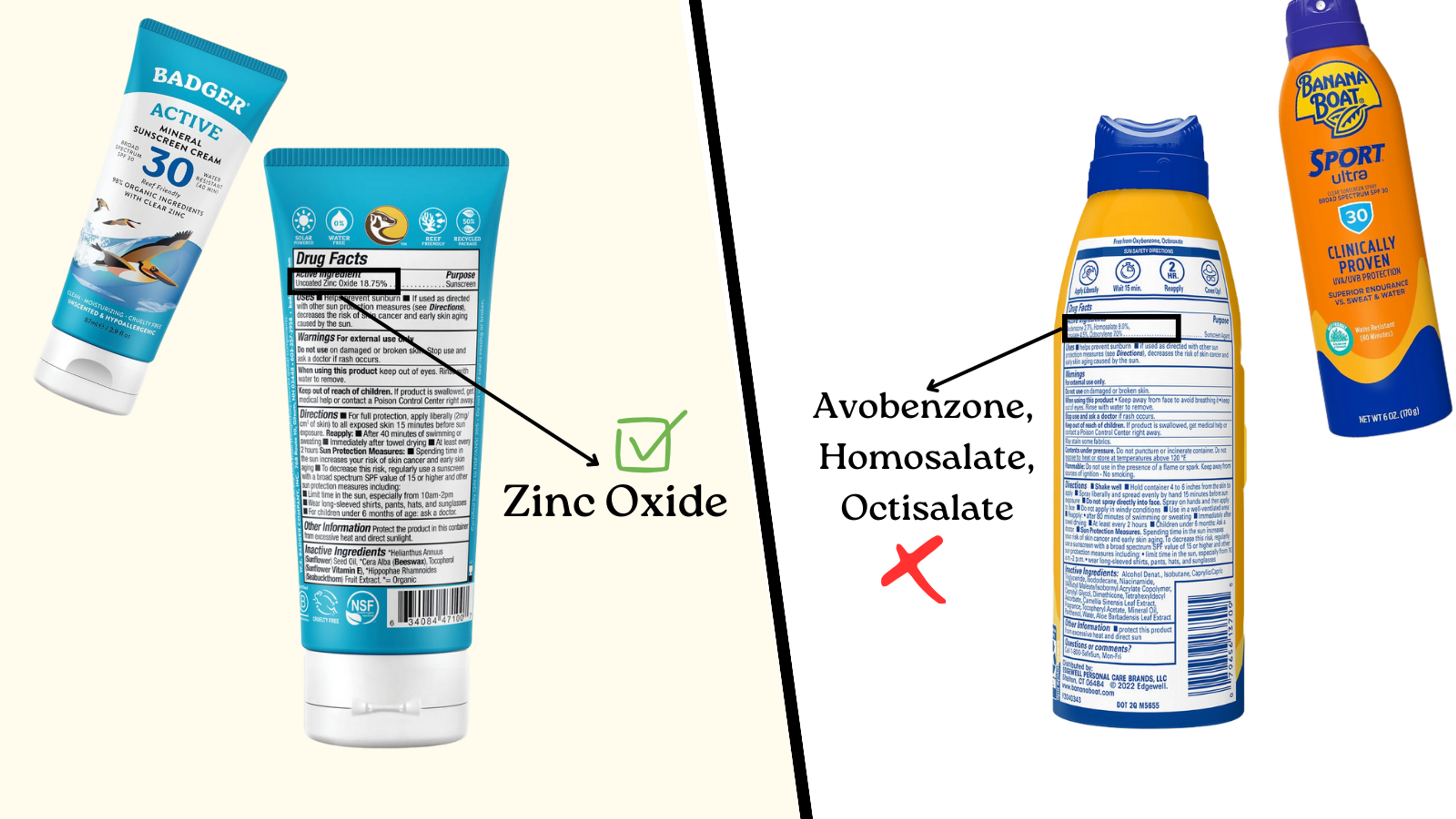
Chemical-based sunscreens contain ingredients like oxybenzone, octinoxate, homosalate, and avobenzone, which are absorbed through the skin into the bloodstream at concentrations higher than the FDA's safety threshold. These chemicals disrupt hormones, trigger allergic reactions, and have been linked to cancer. They're also devastating to the environment — bleaching coral reefs, impairing algae growth, and accumulating in the tissues of fish, dolphins, mussels, and other marine life, causing birth defects and immune damage.
Mineral vs. chemical-based sunscreens
Let's keep this simple. There are only two ingredients classified as safe and effective sun-blocking agents by the FDA: zinc oxide and titanium dioxide.
When picking a non-toxic sunscreen, check the active ingredients:
- ✅ Zinc oxide and/or titanium dioxide — you're good to go
- ❌ Anything else as an active ingredient — avoid it
These minerals are safe for your skin, your bloodstream, and the ocean. Once you've confirmed the active ingredients, also scan for phthalates and parabens, which are often hidden inside the catch-all ingredient "fragrance."
For deeper research, the Environmental Working Group (EWG) has tracked chemical safety since 1993 and maintains a free database you can search by product or ingredient. Everything on this list is either EWG-certified or ranks highly by their standards.
The best safe & non-toxic sunscreen options for babies, kids, and adults
If reading the above is already giving you a headache, don't worry. We've researched non-toxic sunscreens for you! To make your shopping even easier, here are our top picks (and some honorable mentions):
Best non-toxic sunscreen for babies & kids
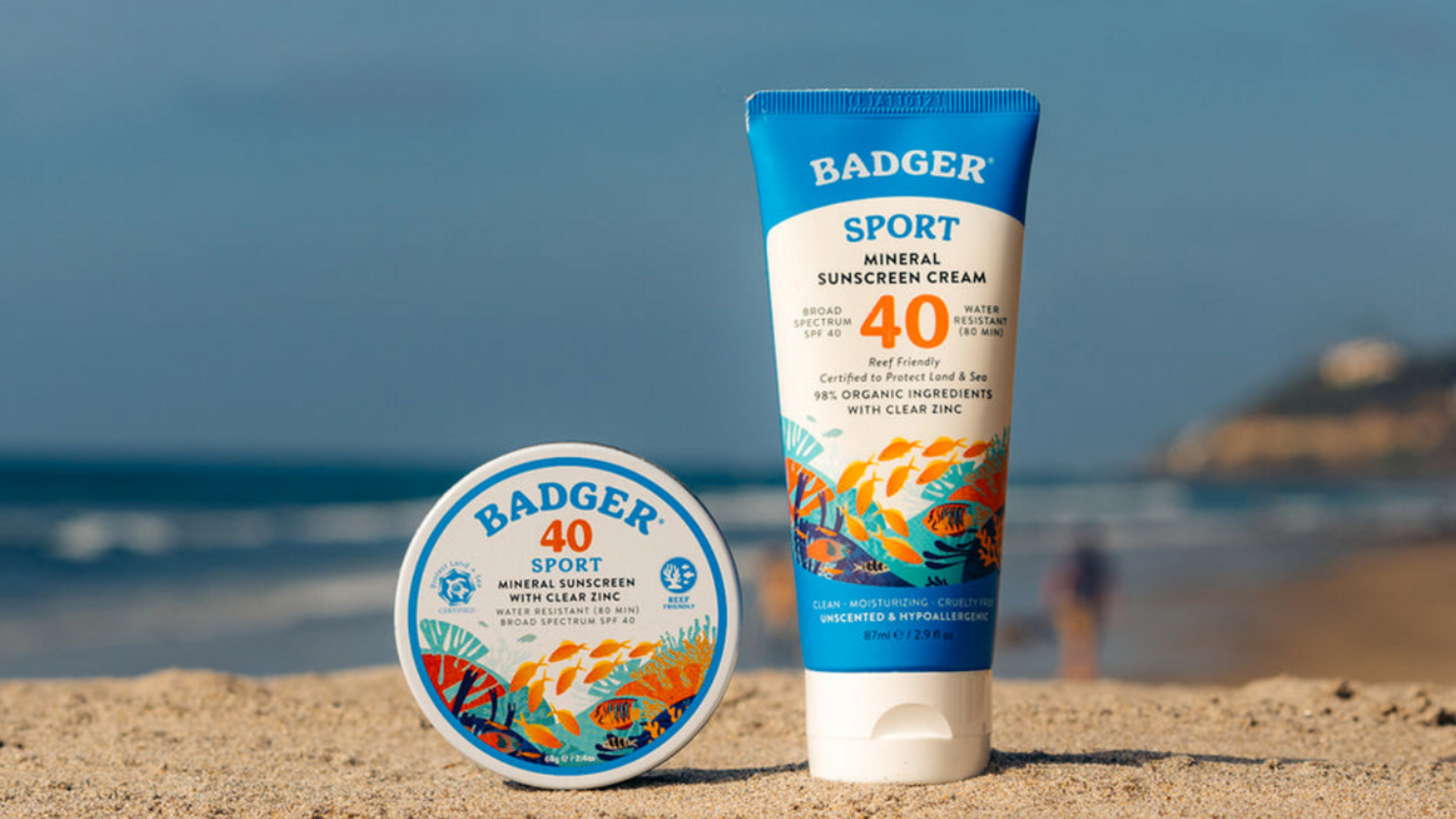
Badger
A top-tier brand with consistently clean ingredients across all their products — and reef-safe, which I love. Available in multiple SPF levels and water-resistance options. Many formulas are organic, non-GMO, and cruelty-free. Stick with their Sport, Baby, or Active lines (Kids and Adventure Sport score slightly lower on EWG). Fair warning: it's thick, so give it a few minutes to soak in.
Attitude
One of my personal favorites — I use their lotion, sunscreen, and several other products regularly. Attitude offers both a cream and a stick option, and their sunscreen has received the top EWG rating, which speaks for itself.
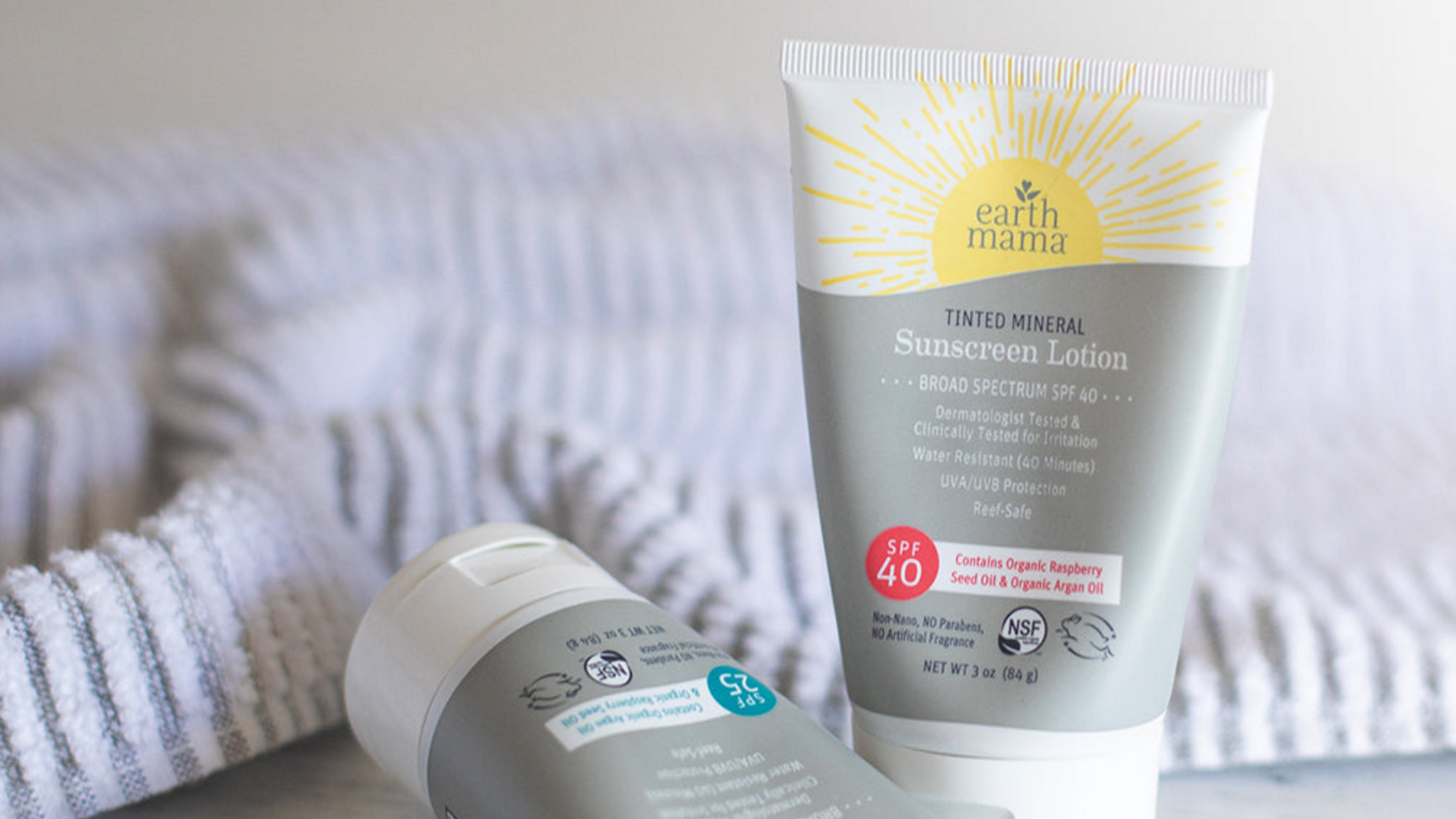
Earth Mama
I appreciate that Earth Mama offers options for baby sunscreen and uber-sensitive sunscreen, both formulated with minimal ingredients.
Two Peas Organics
It’s one of my family's favorites. They offer unscented and waterproof options, the brand is budget-friendly, and the consistency of the sunscreen is easy to spread. I recommend this brand for all ages!
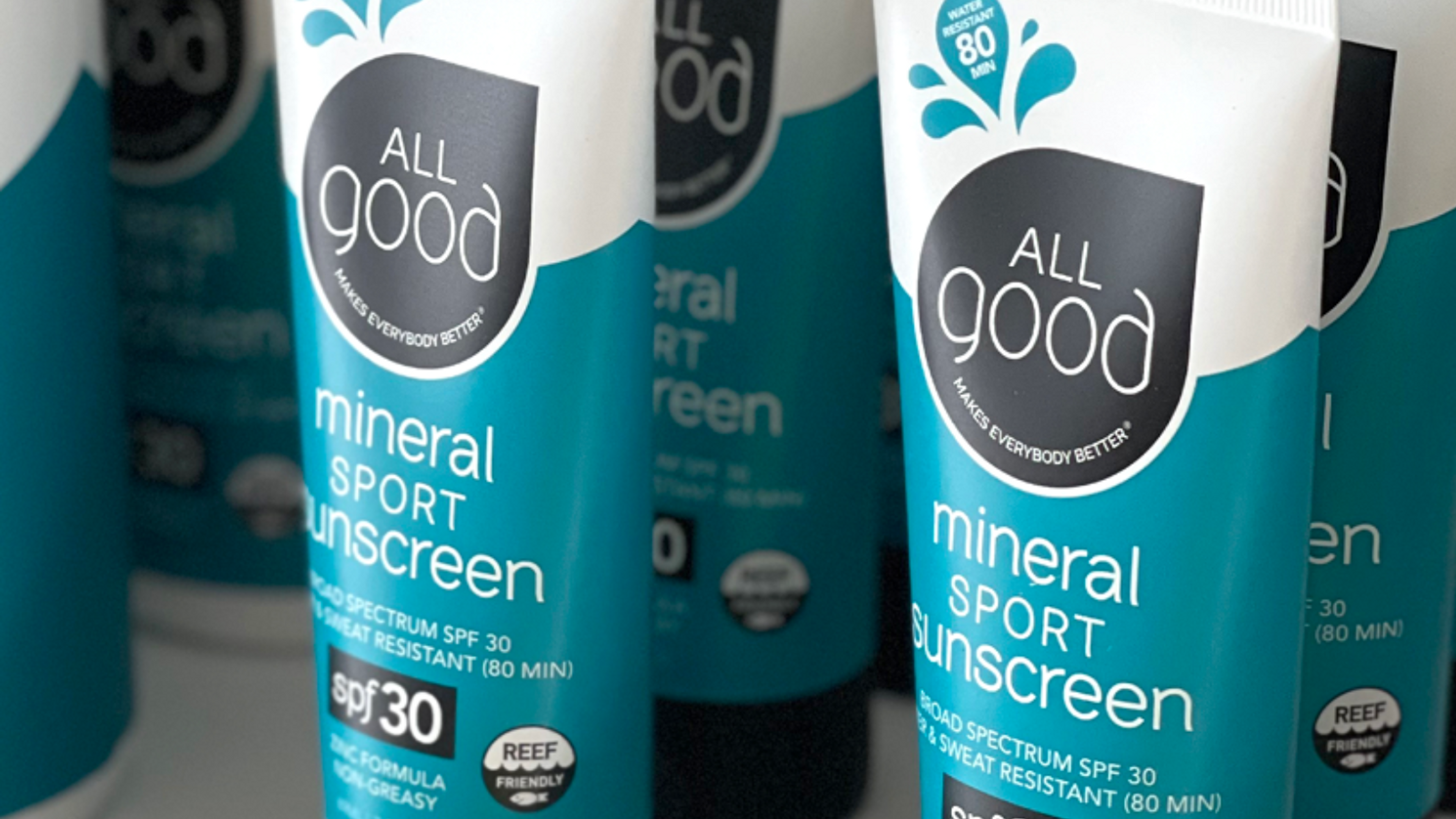
All Good
It is a mineral-based, non-toxic sunscreen that is 100% reef-safe. All Good sunscreen products come in face sticks, baby creams, tinted sunscreens, chapstick, and more. I don't recommend the spray, but most of their other products are free from the top 8 nasty chemicals, including benzene, and rank one on the EWG rating system.
ThinkBaby
ThinkSport has various options; their ThinkBaby or ThinkSport Kids SPF 30 are the best options for a non-toxic, skin-safe, and reef-safe sunscreen for kids (and adults!). ThinkBaby comes in a tube and a stick as well.
Babo Botanicals
Most of their lineup is EWG-certified — the highest clean standard. When in doubt, go for their baby or sensitive options, which have the fewest ingredients.
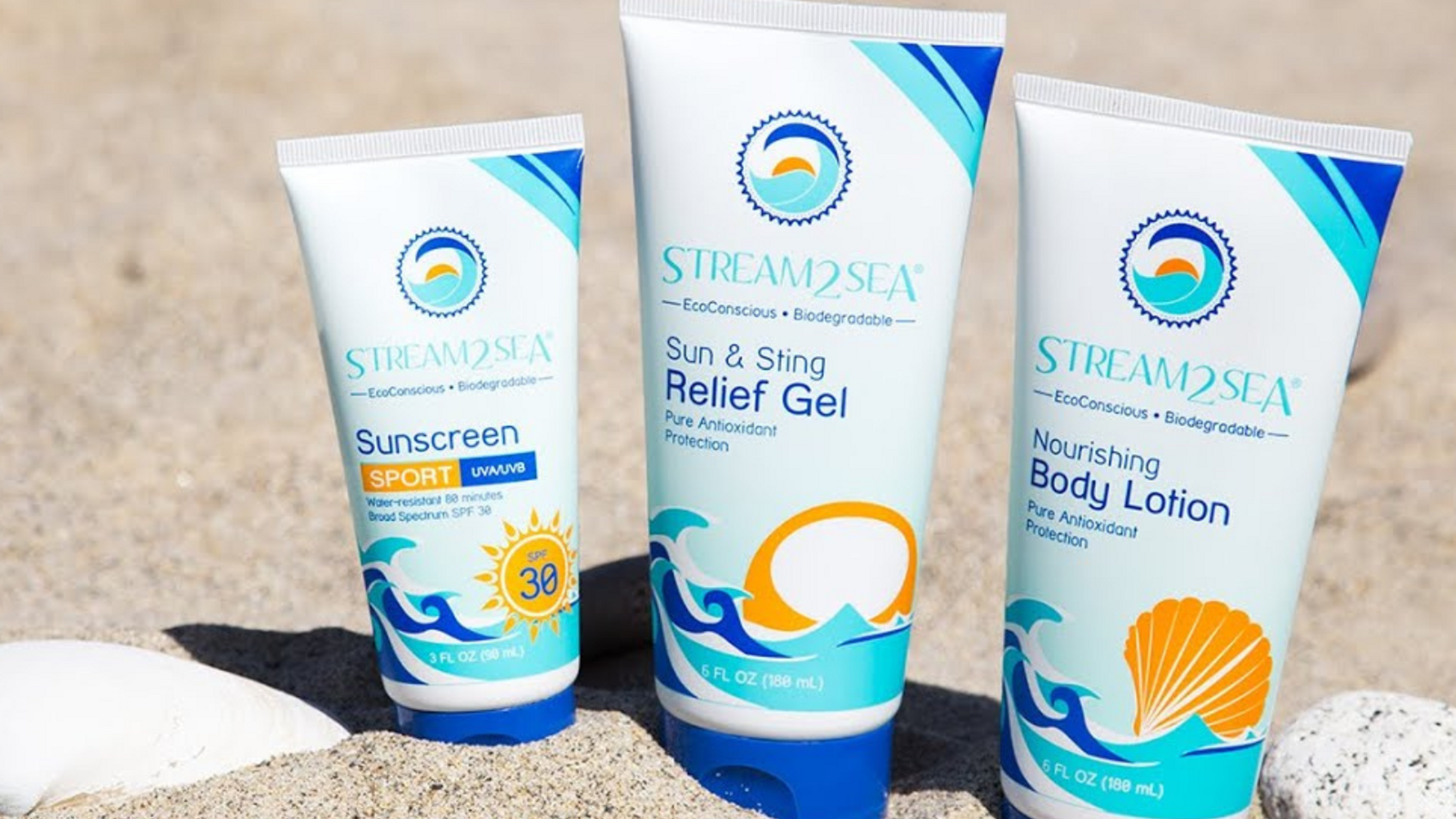
Stream2Sea
Stream2Sea offers a kids’ option that I really like. Although we recommend avoiding their sport line, which has some not-so-great ingredients.
Solara
A pricier option, but it contains hydrating, plant-based ingredients that nourish the skin and are good for babies, kids, and adults.
Blue Lizard
I wouldn't recommend all of Blue Lizard's options for sunscreen, but they are mineral-based and use more natural ingredients. Their Kids Mineral Sunscreen Stick ranks 2 on EWG, and I have friends who really like this brand.
Best non-toxic sunscreen for adults
Every brand listed above is equally safe and effective for adults. Baby and kids' sunscreens are formulated with gentler ingredients, which makes them ideal for sensitive adult skin too. If you want something adult-specific or tinted, here's where to focus:
Top clean tinted sunscreens
Earth Mama, All Good, Babo Botanicals, and Stream2Sea offer tinted options that are great non-toxic sunscreen options for your face. These could be a suitable choice for adults who want some coverage along with sunscreen protection!
Solora also offers a daily facial lotion that is one of the best on the market.
Honorable mention: Make your own!
And finally, you can make your own! Get your hands on some zinc oxide and mix it with a carrier oil or lotion; there are plenty of recipes if you google it. Another natural way to add SPF is carrot seed oil or Red Raspberry Seed Oil. This is a cost-effective option!
Why you should never use spray sunscreen
You'll notice there are zero spray sunscreen options on this list — and that's intentional. Even a mineral sunscreen with clean ingredients isn't safe in spray form. Zinc oxide is a lung irritant, and inhaling it — even accidentally — is a real risk with sprays. Back to rubbing in that lotion it is!
If you ever want to research a brand or ingredient on your own, the EWG Healthy Living app is the best tool out there. The lower the score, the better.
A note on sunscreen and vitamin D
Sunscreen blocks UVA/UVB rays effectively — but in doing so, it also blocks your ability to synthesize those rays into Vitamin D. Nearly half of Americans are deficient in this essential vitamin, and that number jumps to 70 percent for children ages 6 to 11.
To get the best of both worlds: spend 20–30 minutes in full sun before applying sunscreen. This maximizes Vitamin D absorption while minimizing your burn and skin cancer risk. This is especially worth keeping in mind if you use an SPF moisturizer or SPF-infused makeup daily.
FAQ
What makes a sunscreen non-toxic?
A non-toxic sunscreen uses only zinc oxide and/or titanium dioxide as its active sun-blocking ingredients. These are the only two ingredients the FDA classifies as safe and effective. It should also be free from synthetic fragrances, phthalates, parabens, oxybenzone, octinoxate, homosalate, and avobenzone.
Is mineral sunscreen safer than chemical sunscreen?
Yes. Mineral sunscreens (those using zinc oxide or titanium dioxide) sit on top of the skin and physically block UV rays without being absorbed into the bloodstream at harmful levels. Chemical sunscreens are absorbed through the skin at concentrations that exceed the FDA's own safety thresholds and are linked to hormone disruption and cancer.
What sunscreen is safest for babies?
The safest sunscreens for babies use 100% zinc oxide as the active ingredient, contain minimal other ingredients, and are fragrance-free. Top picks include Earth Mama, Badger Baby, Attitude, and Two Peas Organics. Always choose a cream or stick — never a spray.
Are spray sunscreens safe?
No. Even mineral spray sunscreens are not safe because zinc oxide, while safe on skin, is a lung irritant when inhaled. Sprays make accidental inhalation nearly unavoidable, especially when applying to children. Always choose a lotion, cream, or stick.
What is the EWG rating system for sunscreen?
The Environmental Working Group (EWG) rates sunscreens on a scale of 1 to 10, with 1 being the safest and 10 being the most hazardous. Products rated 1–2 are considered low-hazard. EWG-verified products meet their strictest standards for ingredient safety and transparency. All of the brands listed in this article are EWG-rated 1–2 or EWG-certified.
Is oxybenzone in sunscreen dangerous?
Yes. Oxybenzone is a chemical UV filter that is absorbed into the bloodstream at levels far exceeding the FDA's safety threshold. It has been linked to hormone disruption, allergic reactions, and potential cancer risk. It is also one of the primary chemicals responsible for coral reef bleaching and marine life damage. Avoid any sunscreen that lists oxybenzone as an active ingredient.
Does sunscreen block Vitamin D absorption?
Yes. Sunscreen blocks UVA/UVB rays, which are the same rays your body uses to synthesize Vitamin D. To balance protection with Vitamin D production, spend 20–30 minutes in direct sun before applying sunscreen. This is especially important for children — studies show that 70% of kids ages 6 to 11 are Vitamin D deficient.
Is reef-safe sunscreen actually safer for humans too?
Generally, yes. Sunscreens marketed as reef-safe avoid oxybenzone and octinoxate — two of the most environmentally damaging and human health-compromising chemical filters. However, "reef-safe" is not a regulated term, so always check that the active ingredients are exclusively zinc oxide and/or titanium dioxide to confirm it's truly clean.
Can adults use baby sunscreen?
Absolutely. Baby and kids' sunscreens are formulated with gentler, fewer ingredients, which makes them ideal for adults — especially those with sensitive skin. There is no downside to using a baby-formulated mineral sunscreen as an adult.
What is the best non-toxic tinted sunscreen for the face?
The best clean tinted sunscreens for the face include options from Earth Mama, All Good, Babo Botanicals, and Stream2Sea. Solara also makes a highly rated daily tinted facial lotion with hydrating, plant-based ingredients. Look for zinc oxide as the active ingredient and avoid any tinted formula that uses "fragrance" or "parfum."
Related articles

Best non-toxic candles (beeswax, coconut oil): What to buy and what to avoid
Most candles are full of harmful toxins. But there are safe and non toxic candle options available.

The best cast iron skillet: Safe, non-toxic cookware that lasts a lifetime
Discover the best cast iron skillet for safe, non-toxic cooking. Compare Lodge, Field Company, and Lancaster (and more). Plus, learn how to season and clean...

Top healthy & clean protein powder (best brands!)
Not all protein powders are healthy. Many contain fillers, sweeteners, and even heavy metals. In this article, I break down the best healthy and clean...


